
 10ft
10ft10ft Shipping Containers
Side access is pinched, the setback leaves nothing to manoeuvre in, or all that is needed is a lockable spot for the mower, an air compressor and a wall of hand tools.
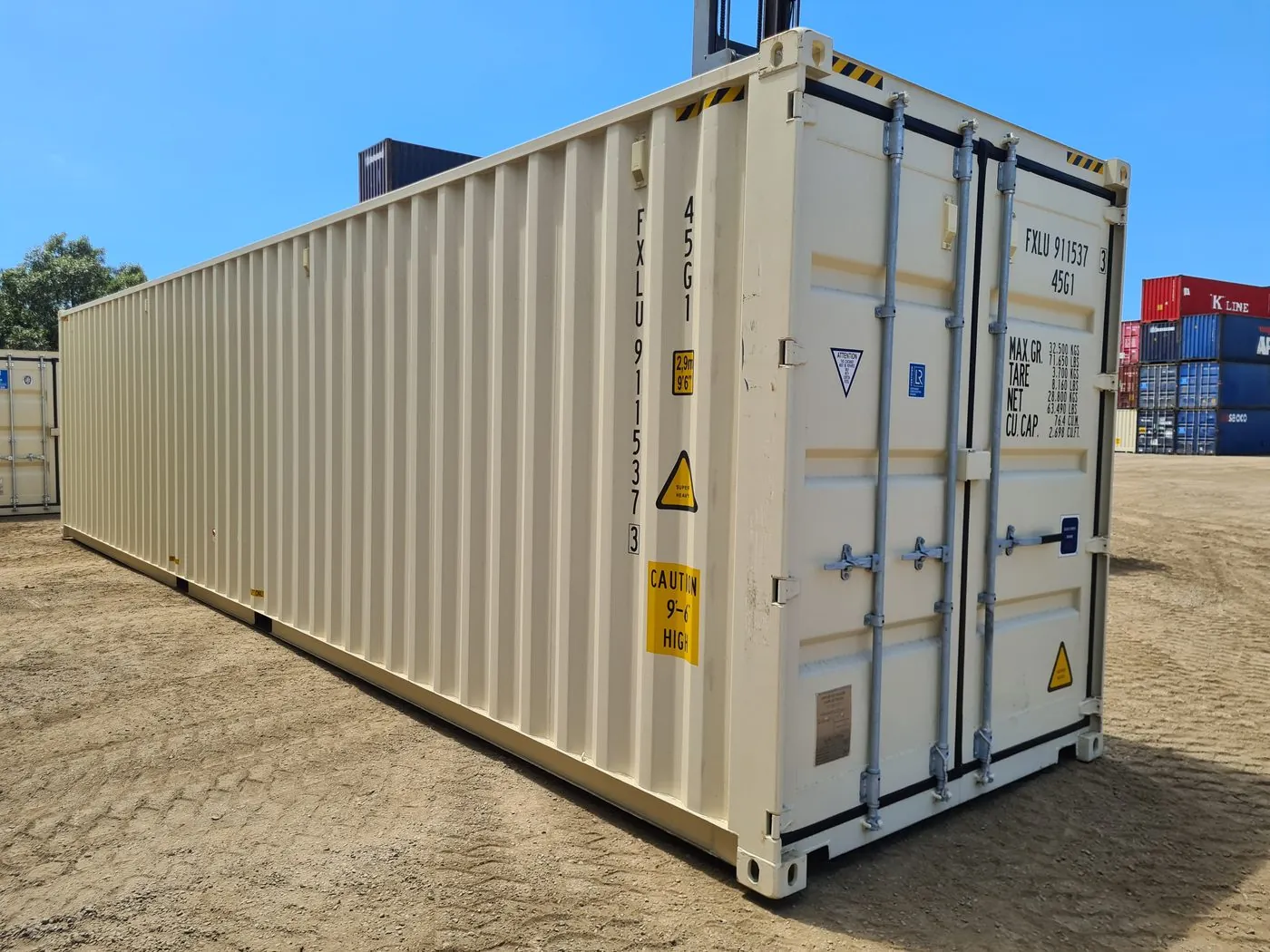
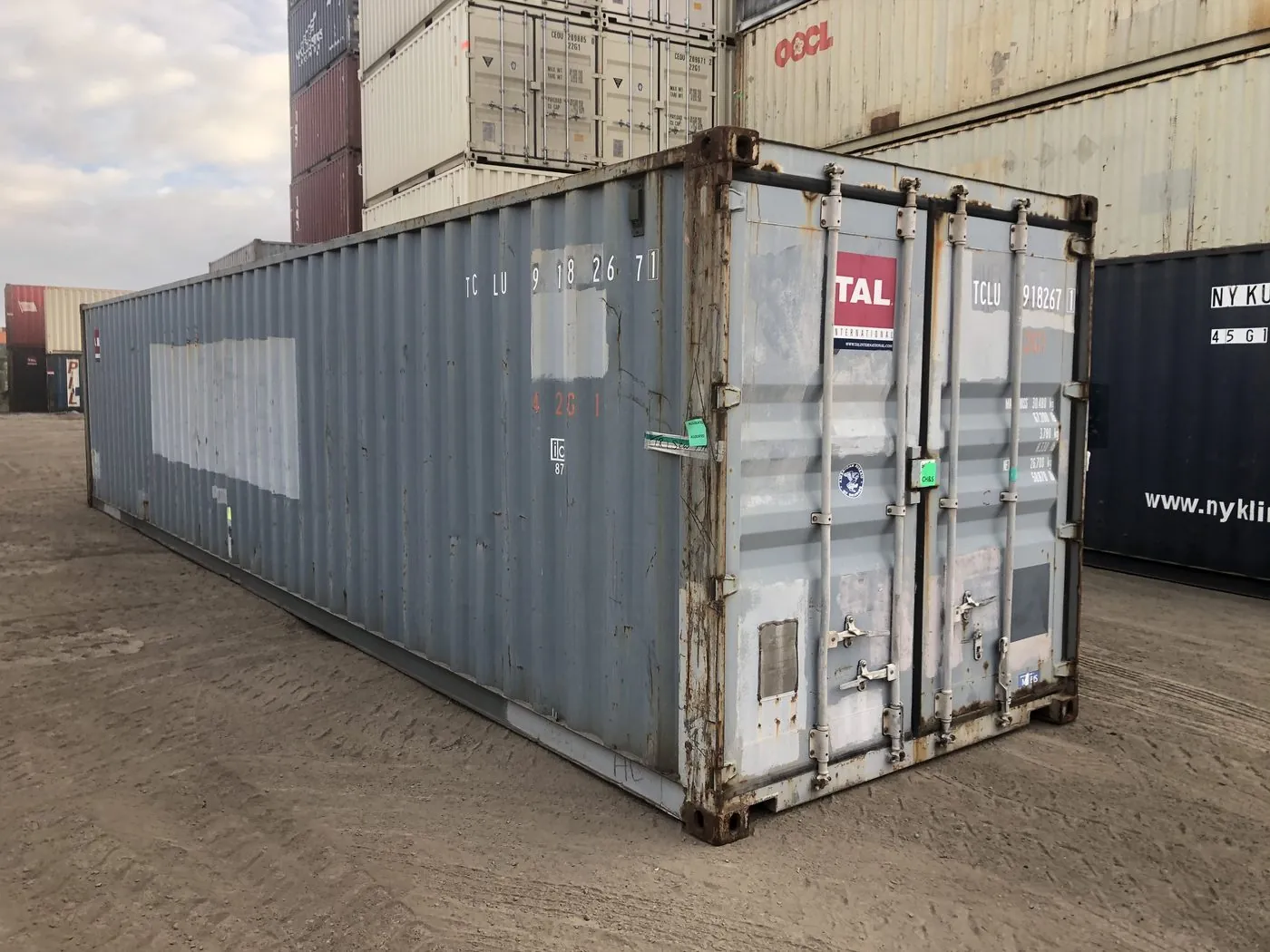
40ft containers
Double the length and near enough double the room. On current quotes a used forty often costs only a little more than a used twenty, so where the site takes it, it is usually the most room per dollar — but that depends on the grade, the unit and the delivery run, and it is never the container that decides. It is whether a truck can get in, and whether the ground will let the thing lie flat.
The case for it
A big house plus the contents of the shed, or a proper workshop with an aisle down the centre to work in. Frequently bought two at a time and stood parallel, with a roof spanning the gap to make a covered bay.
Everything hinges on access at this length. Reckon on 30 metres of straight approach, 4 metres of width at the tightest point, nothing hanging over any of it, and ground firm enough that four corner castings will not sink into it. A side loader manages tighter ground than a tilt-tray; on most side loaders the container comes off the driver's side of the trailer, so the direction of approach matters and the carrier confirms it on the day. Send three photos through and we will give you an answer before anybody prices it.
| External (L × W × H) | 12.19m × 2.44m × 2.59m |
|---|---|
| Internal (L × W × H) | 12.03m × 2.35m × 2.39m |
| Door opening (W × H) | 2.34m × 2.28m |
| Internal volume | 67.7m³ |
| Tare weight | approx 3,800 kg |
Grade matters more than anything else in a container quote. Grade is what decides whether the box keeps water out. Anything sold as cargo-worthy is inspected wind and watertight before release — for storage use, which is separate from the CSC certification an export job needs — and new single-trip units, one loaded voyage with rubbers that have barely weathered, are sealed as well. As-is is the cheap end and carries no watertight claim at all: expect a previous repair, a floor section that has gone soft, or a gasket that no longer pulls up hard against the frame. We list those faults and photograph them on request, before delivery, so nothing turns up as a surprise when the truck does. If what goes inside has to stay dry, start at cargo-worthy.
Every 40ft is priced on the individual unit, the grade you settle on and the run to your address, and the number you get covers the container and the delivery together. Ring 1300 467 776 or send the form.
Price this unit to your addressPrices are quoted with the container and the delivery together, so the figure you get is the whole cost to your address rather than a headline that grows later. Ring 1300 467 776 or send the form and you will have a price for the exact unit.
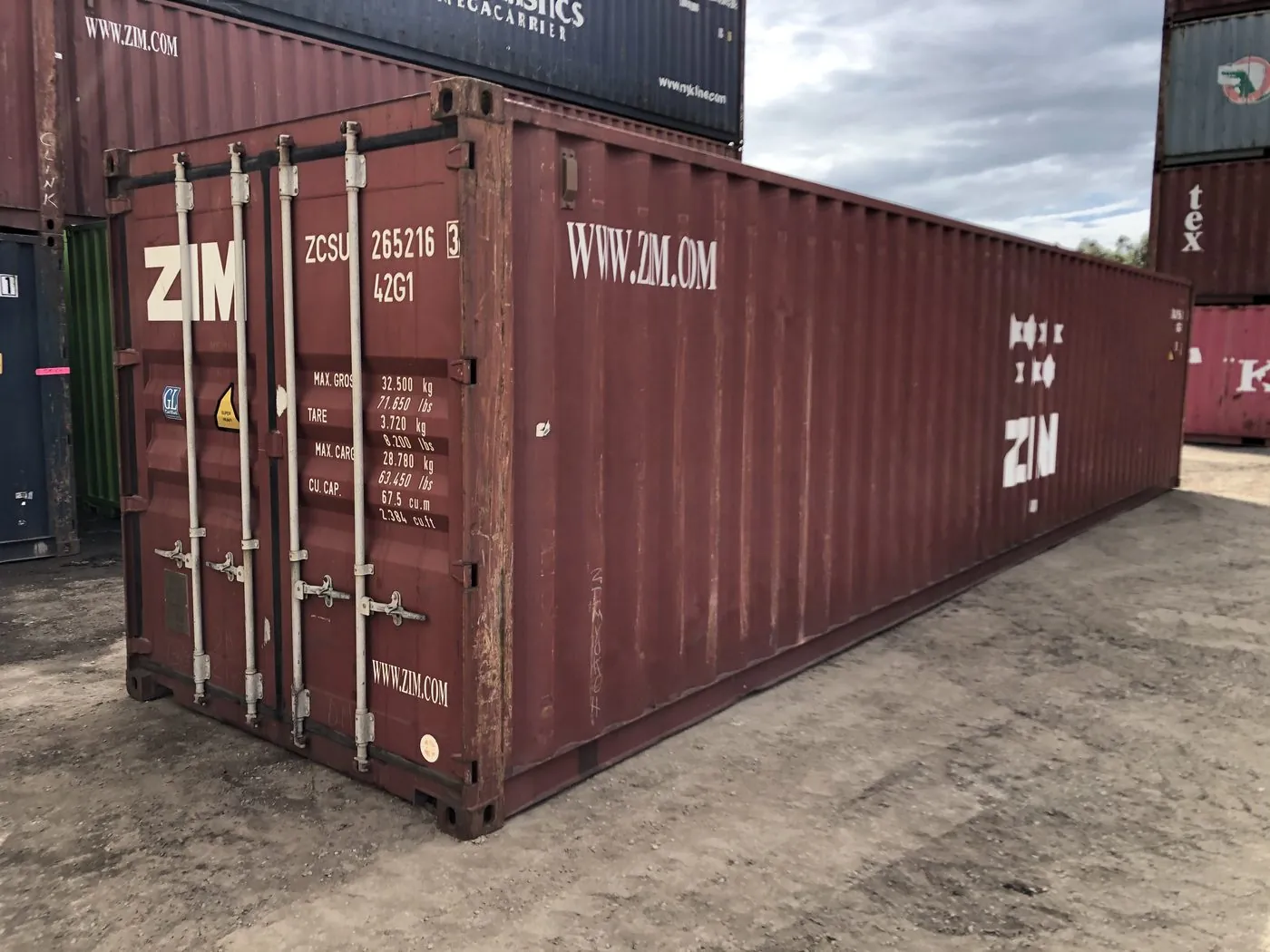
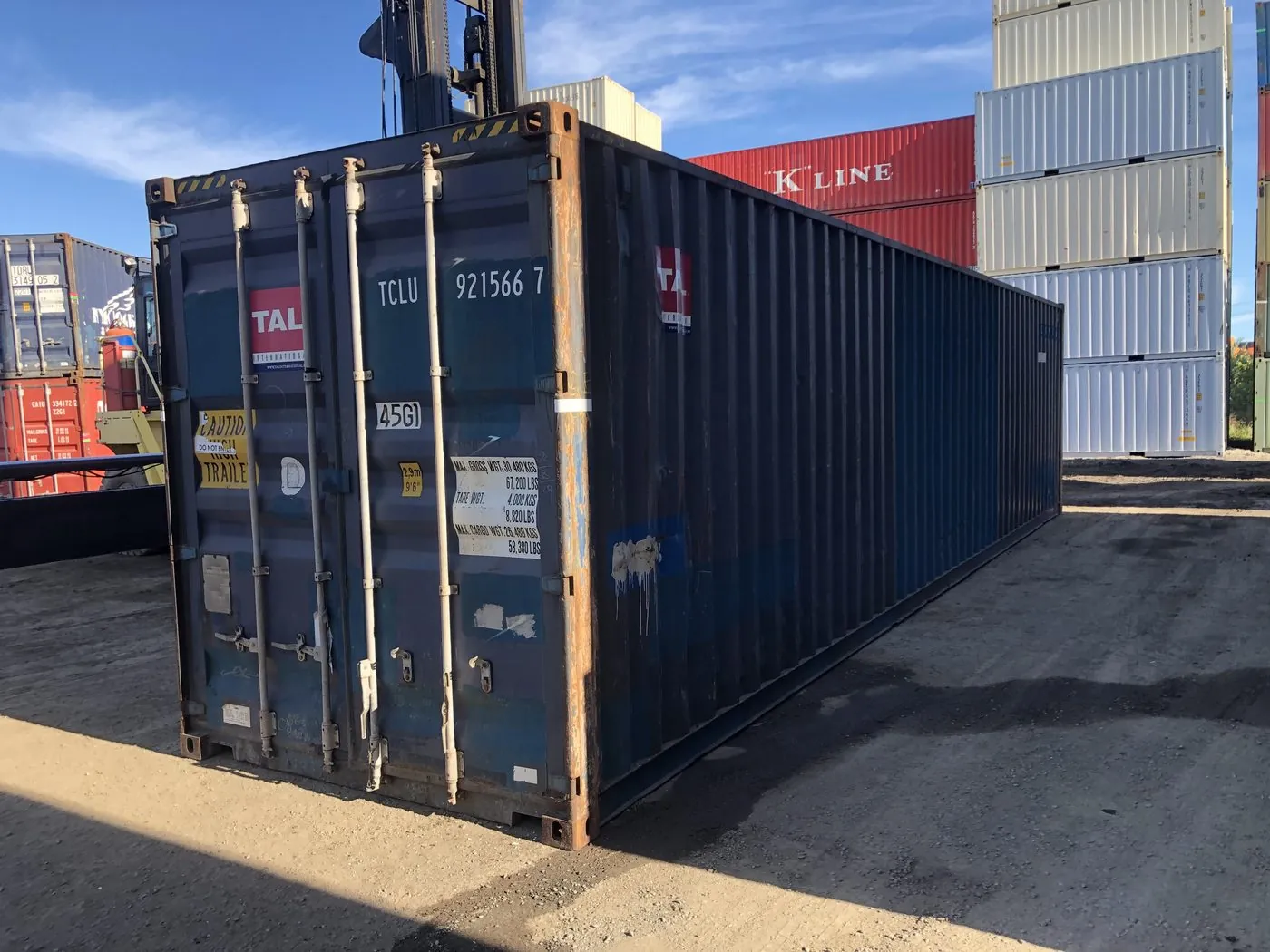
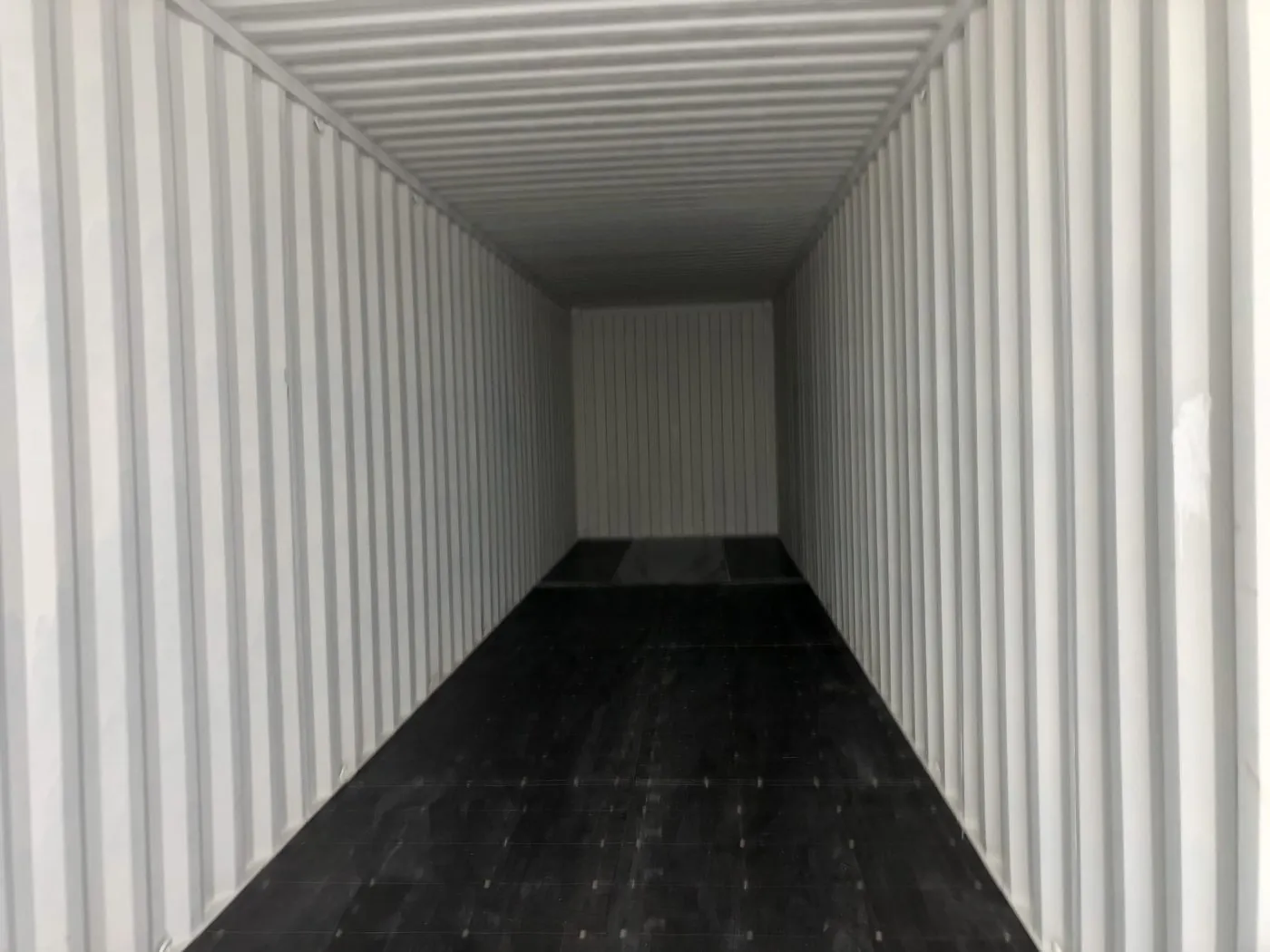
Photos
Actual jobs rather than catalogue imagery. Ask and photographs of the specific container you are buying will be sent through on request, before delivery.
Access
Reckon on 30 metres of straight approach, 4 metres of width at the tightest point, and nothing overhanging any part of the run. A side loader copes with a good deal less room than a tilt-tray, but on most side loaders the container comes off the driver's side of the trailer — so the direction the truck can come in from tends to dictate which side of the block the box can end up on. The site and the carrier decide which truck it is; settle that well before delivery day.
Three photographs settle it: one taken standing at the street looking in, one along the run itself, and one of the ground the box has to sit on. Send them with the enquiry and you will be told which truck the job wants, and whether the drop is straightforward, before anybody talks money.
Other lengths
10ftSide access is pinched, the setback leaves nothing to manoeuvre in, or all that is needed is a lockable spot for the mower, an air compressor and a wall of hand tools.
 20ft
20ftThere is about seven metres of straight, reasonably level ground for it to sit on, and you would rather not discover in half a year that the bigger box was the answer.
Guides for 40ft buyers: Stacking shipping containers — what is safe and what is not, Anchoring a shipping container — wind, cyclones and tie-downs and Moving a shipping container you already own.
Questions
Match the grade to what goes inside. Cargo-worthy used is the working standard for most storage and site jobs: structurally sound and inspected wind and watertight before release, for storage use. New single-trip is the pick when the 40ft will be on show, lined or cut into, because you start with straight panels and a clean floor. As-is is sold on its faults, is not sold watertight, and suits a lock-up under an existing roof or the shell of a build. Tell us the use and we will say which grade earns its money.
The door end first: both doors should swing fully, the locking bars should take a firm pull and the gaskets should be supple all the way round. Then stand inside with the doors shut and look for daylight, walk the floor for soft spots near the doors, and look along the bottom rails for heavy pitting. You can walk the units at our Cornubia yard (ring first), and photographs of the specific 40ft are sent on request, before delivery, if you cannot get there.
The CSC safety approval plate sits on the door end and records the approval, the date of manufacture, the maximum gross mass and the allowable stacking load. A current CSC examination only matters if the container is going to carry cargo through a port. For storage, a workshop or a site office it does not apply. If you plan to export in it, say so when you enquire and the plate status is checked on the specific unit before it is quoted.
Yes: doors, windows, roller doors, vents, shelving, lining and power are all common. The walls carry load, so every opening has to be reframed in steel or the box racks and the doors stop closing square. Modifying before delivery, in a yard with hardstand and the right gear, is nearly always cheaper than doing it on site. A cut container is usually no longer fit to ship cargo in, so settle the export question before any steel comes out.
Siting decides most of it. Set the 40ft level on sleepers, pads or blocks under the corner castings so air moves underneath and the bottom rails stay out of standing water, keep the roof clear of leaves and ponding, and touch up scratches before rust takes hold. A sound cargo-worthy or new unit looked after that way gives many years of service. One left flat on wet dirt will rust from the bottom rails up regardless of its grade.
The grade moves it most, then the condition of the individual unit and which yard it is released from. Cartage is worked out for your address and quoted with the container rather than published, because the access at your end changes it as much as the distance does. Prices are in AUD, ex GST.
Yes. Hire earns its keep when the container has a finish date on it, such as a build, a fit-out, a harvest or a rebuild after storm damage. If it is still going to be sitting there in two years, buying is nearly always the cheaper end of the deal by a wide margin. Give us the period and both numbers get run for you.

Room for more.Less mucking around.
Get a price
Give us the delivery postcode and a description of the entrance, and the cartage comes back in the same number as the container.
Or skip the form and ring us — 1300 467 776, Mon-Fri 7:30am-5pm, Sat 8am-12pm